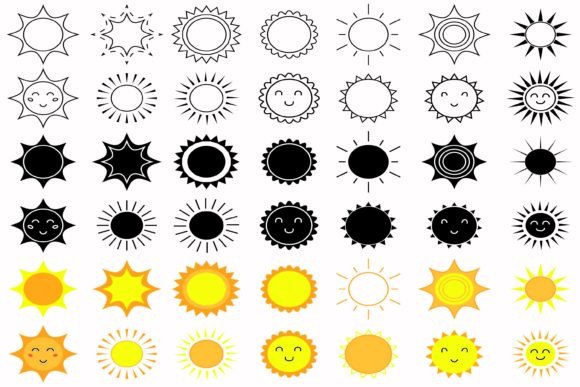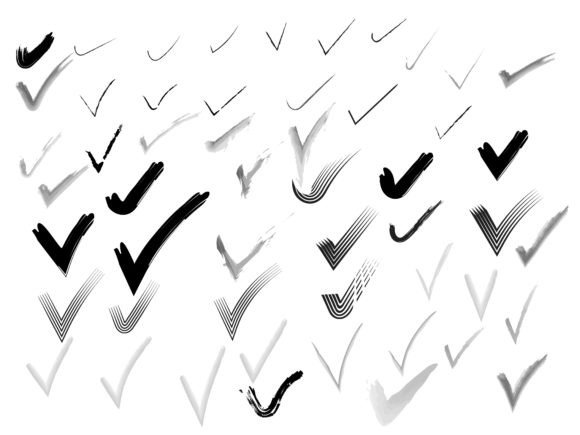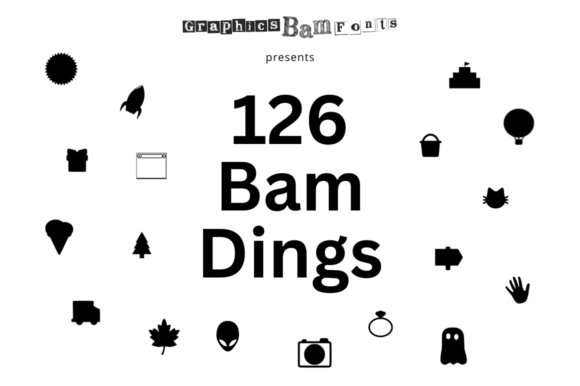
126 Symbols Icons Dings Glyphs: Graphics for Local Branding & Web Elements
As a brand designer who’s helped over 80 local businesses—from artisanal bakeries in Portland to indie candle studios in Nashville—I opened 126 Symbols Icons Dings Glyphs expecting decorative flair. What I found was something more valuable: a versatile, mood-responsive graphic design asset that bridges handcrafted warmth and professional polish. For small business branding, this collection lands firmly in the “friendly yet intentional” zone—think organic but not rustic, playful but not childish, elegant but never sterile. It leans into soft curves, balanced negative space, and subtle texture—ideal for food labels, skincare packaging, boutique hang tags, or seasonal social media graphics.
A Real-World Test: Redesigning “Hearth & Hive” Honey Labels
We recently refreshed packaging for Hearth & Hive, a family-run honey brand selling at farmers’ markets and local grocers. Their existing labels felt generic—no visual rhythm, no emotional hook. We pulled 126 Symbols Icons Dings Glyphs into our workflow to test three key uses: as a subtle background motif on jar sleeves, as a custom bullet point for ingredient callouts, and as a delicate divider between product name and origin story on their thank-you cards. The glyphs delivered immediate visual hierarchy without overwhelming the natural, earthy typography. One floral glyph became the anchor for their “Small Batch” badge; another abstract swirl doubled as a gentle border on Instagram story templates. This wasn’t clipart—it functioned like intentional brand architecture.
Where These Glyphs Shine in Local Business Design
- Product labels: Add quiet distinction to jam jars, soap bars, or spice blends—especially when paired with serif or handwritten fonts.
- Packaging accents: Use single glyphs as corner flourishes on shipping boxes, gift tags, or kraft paper wraps.
- Hero graphics: Scale a bold symbol (like a sunburst or leaf cluster) for website banners or café menu headers.
- Seasonal campaign visuals: Rotate glyphs per season—snowflakes for winter, blossoms for spring—without redesigning full templates.
- Social media graphics: Layer glyphs behind quote text or use them as animated SVG elements in Reels and Stories.
- Printable inserts: Include minimalist glyphs on recipe cards, care instructions, or “Meet the Maker” postcards inside orders.
Where to Proceed Thoughtfully
This collection excels in expressive contexts—but it’s not universally scalable. Avoid using 126 Symbols Icons Dings Glyphs on formal corporate branding (e.g., law firm letterheads), ultra-minimalist luxury packaging (where silence speaks louder than ornament), or ingredient-heavy labels where clarity trumps decoration. Glyphs can compete with fine print, legal disclaimers, or dense nutritional panels. On low-contrast backgrounds—like light gray on off-white—their subtlety may vanish. And if your brand voice is strictly bold, industrial, or high-tech, these softer, organic glyphs may feel tonally misaligned.
Practical Designer Notes for Small Business Owners
Before committing 126 Symbols Icons Dings Glyphs to your next packaging run or Canva template, here’s what we test every time:
- Mock it up in context: Drop glyphs onto real product mockups—not just white screens. Does the honey jar sleeve still read clearly at 3 inches tall?
- Check black-and-white usage: Print a sample label in grayscale. Do glyphs retain shape and contrast—or disappear into noise?
- Test color harmony: Overlay glyphs on your brand palette. Some symbols pop against muted sage but vanish on terracotta. Adjust stroke weight or opacity accordingly.
- Compare with competitors: Place your glyph-accented label beside top 3 local competitors’. Does it stand out with warmth—not clutter?
- Verify SVG editability: Open one glyph in Illustrator. Can you adjust anchor points, recolor paths, or simplify strokes? That flexibility matters for resizing on stickers vs. posters.
- Review PNG transparency: If using raster versions, ensure clean edges—no halo or anti-aliasing blur around delicate outlines.
- Font pairing check: Try each glyph beside your primary typeface—serif, sans serif, script, and display. Does it support your voice, or distract from it?
- Confirm commercial license: Double-check terms before applying glyphs to physical products, client work, or digital products sold on Etsy or Shopify. Not all creative marketplace assets permit resale in packaged goods.
Why This Matters for Your Local Business
When customers browse your shelf at Whole Foods or scroll your Instagram feed, 126 Symbols Icons Dings Glyphs helps deliver three critical advantages: better product recognition (a consistent symbol becomes an unconscious cue), stronger first impression (polished visuals signal care and credibility), and more cohesive brand identity (one glyph family unifies labels, web banners, and thank-you cards). For handmade businesses, that cohesion builds trust faster than any tagline. A candle brand using the same flame glyph across their sticker, website hero, and receipt stamp feels intentional—not improvised. That intention translates directly to perceived value, repeat purchases, and word-of-mouth referrals.
Final Takeaway: Decoration With Purpose
126 Symbols Icons Dings Glyphs is packed full of useful, inspiring and creative solutions. It’s a great choice—not just for designers and crafters, but for small business owners building real brands in real communities. Used thoughtfully, it elevates packaging design from functional to memorable, transforms social media graphics from generic to ownable, and strengthens local business branding through subtle, scalable visual language. It won’t replace your logo design or core brand strategy—but as a flexible, licensable graphic design asset, it quietly lifts every touchpoint. Whether you’re launching a new line of botanical toners or refreshing your bakery’s holiday card suite, these glyphs offer professional-grade polish without demanding professional-grade budgets or timelines. That’s not just convenience—it’s strategic small business branding, delivered as Web Elements and Graphics that earn their place.