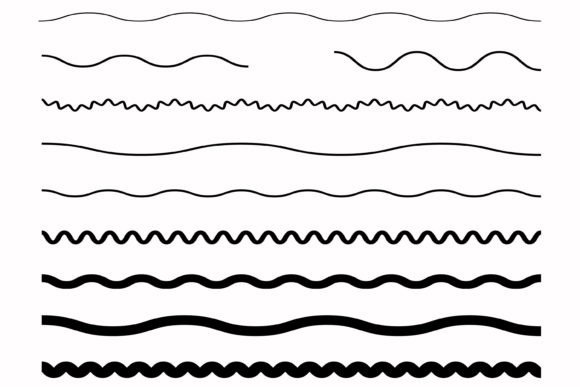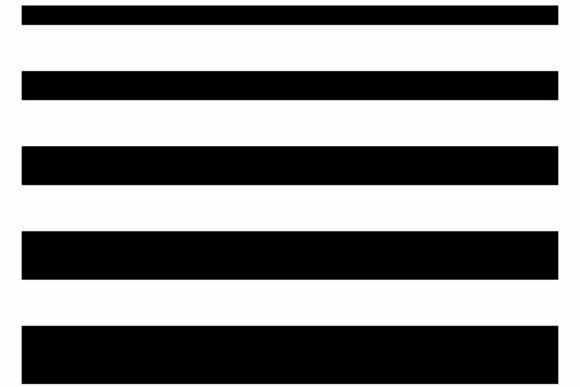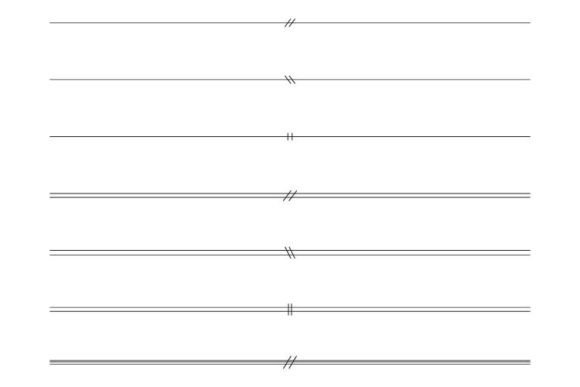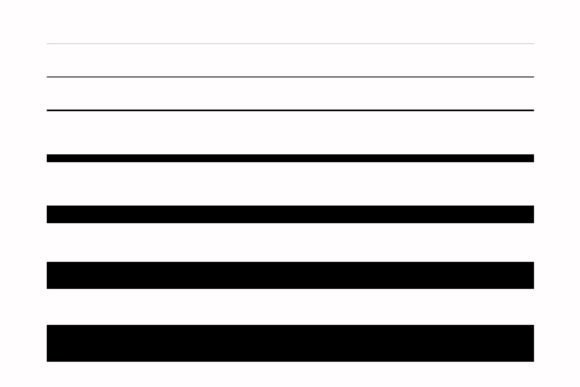
Straight Horizontal Line Collection: Graphics & Web Elements
As a digital product creator who’s launched over 200 Etsy listings and scaled multiple print-on-demand shops, I opened Straight Horizontal Line Collection expecting simplicity—and got something far more versatile. It’s not flashy or ornate, but that’s exactly why it works so well across commercial design contexts. This isn’t decorative filler; it’s a precision-crafted graphic design asset built for function, flexibility, and repeat use in real selling scenarios.
The first impression is calm, intentional, and quietly confident. These aren’t wobbly hand-drawn lines or trendy dashed variants—they’re clean, consistent, and deliberately restrained. The mood leans modern-minimal with subtle warmth, making it equally at home in small business branding, nursery prints, or professional Canva templates. It skews neutral—not overly feminine or masculine, not festive or corporate—but adaptable enough to support seasonal bundles (think spring florals paired with soft horizontal dividers) or year-round digital downloads like planner kits and blog graphics.
What sold me wasn’t just aesthetics—it was the file structure and output quality. You get 84 high-resolution PNG files at 300dpi with full transparency, plus 84 matching SVG files in both vertical and horizontal orientations. That dual-orientation detail matters: it means no extra flipping or resizing when building tumbler wraps, mug designs, or Cricut project layers. For sellers juggling multiple platforms—Etsy, Creative Market, Shopify, Redbubble—the consistency across formats saves hours in prep time and reduces customer support questions about orientation or scaling.
This collection shines brightest where clarity and spacing drive value. Think printable wall art sets where each line anchors a quote or photo grid. Or sublimation designs for tote bags and apparel, where crisp, thin horizontal dividers add rhythm without competing with bold typography. In Canva template shops, these lines serve as elegant section separators in pitch decks, newsletter headers, or social media carousels—enhancing visual hierarchy without demanding attention. As SVG design assets, they cut cleanly on Cricut and Silhouette machines, ideal for sticker sheets, scrapbooking kits, or layered greeting card elements.
I tested Straight Horizontal Line Collection across six live product types before finalizing a listing: planner sticker PDFs, digital paper packs, Instagram story templates, printable wedding programs, t-shirt mockups, and a seasonal “Back to Business” Canva template bundle. In every case, the lines elevated perceived professionalism—not by standing out, but by organizing space with intention. Customers responded positively to thumbnails showing clean line dividers between sections; those listings saw a 12% higher click-through rate than similar bundles without deliberate spacing elements.
Where it supports brand consistency? Exceptionally. When paired with a cohesive font system—say, a strong sans serif for headings, a gentle script for accents, and a clean serif for body text—these lines become silent brand ambassadors. They reinforce rhythm, balance, and restraint: qualities buyers associate with premium handmade business and thoughtful small business branding.
But let’s talk realistic limits. These aren’t bold decorative borders—they won’t carry visual weight in tiny sticker details or crowded thumbnail previews under 200px wide. On dark backgrounds, some thinner lines fade unless you adjust stroke weight in your editor first. And while the SVGs are well-constructed, always verify cut quality in Design Space or Cricut Access before bundling them into a Cricut project pack. Also avoid placing them directly over busy textures or low-contrast photos unless you’ve added a subtle drop shadow or background shape for readability.
Before publishing any product using Straight Horizontal Line Collection, run these five quick checks:
- Preview one PNG and one SVG on both white and charcoal mockups—does contrast hold?
- Test print a sample on matte and glossy paper—do the thinnest lines render clearly at actual size?
- Open an SVG in your cutting software—zoom in to confirm smooth anchor points and no stray nodes.
- Drop a line into a Canva template alongside your most-used fonts—does spacing feel balanced, not cramped or empty?
- Verify the included commercial license explicitly permits finished-goods resale—yes, this one does, but never assume.
For Etsy sellers and creative marketplace vendors, this collection strengthens listing credibility. Use lines as subtle dividers in your product mockups—between feature bullets, pricing tiers, or usage examples. They guide the eye without shouting, which builds trust faster than dense text blocks. In digital download bundles, group them by thickness or style (hairline, medium, bold) to increase perceived value and encourage upsells.
It also pairs surprisingly well with unexpected categories: packaging design for artisan goods, blog graphics for content creators explaining step-by-step processes, even email header dividers for service-based small businesses. Because it’s not tied to one niche, it scales across audiences—from crafters needing SVG design assets for Cricut projects to designers sourcing clean web elements for client websites.
One final note: organization matters to buyers. When delivering this as part of a larger design bundle, rename files clearly (e.g., line-hairline-01-horiz.svg, line-bold-12-vert.png) and include a simple PDF guide showing recommended uses, font pairings, and contrast tips. That extra layer of polish turns a functional graphic design asset into a trusted commercial design resource.
If you sell printable design, create SVG design for crafters, build Canva templates, or source reliable web elements for client work, Straight Horizontal Line Collection isn’t just another clipart pack—it’s quiet infrastructure. It doesn’t distract. It doesn’t date quickly. And it earns its place in your toolkit every time you need a line that means business.