Abstract Element Decoration Hand Drawn
As a designer who’s stitched over 300 client projects—from boutique baby onesies to limited-run festival apparel—I opened Abstract Element Decoration Hand Drawn expecting clean, expressive shapes that breathe on fabric. What I found wasn’t just a bundle of vector files—it was a quiet, confident voice in visual language. These aren’t clipart abstractions; they’re hand-drawn with subtle line weight shifts, organic asymmetry, and intentional negative space—exactly the kind of nuance that translates beautifully into embroidery when handled thoughtfully.
First Impressions: Mood, Movement, and Material Readiness
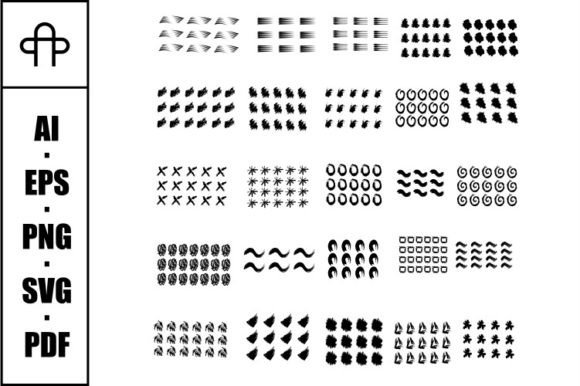
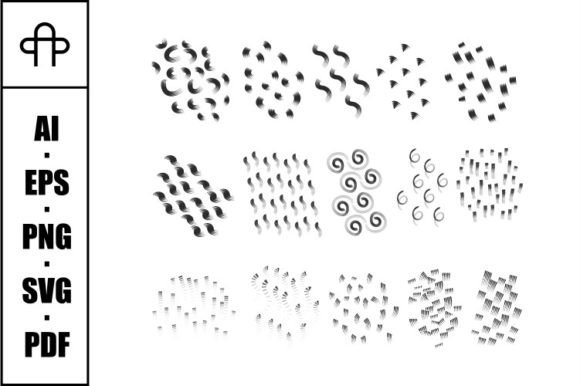
The collection feels calm but intentional—like ink sketches made by someone who understands rhythm more than rules. There are looping gestures, fragmented geometry, soft-edged blobs, and delicate linear flourishes. No hard corners, no pixel-perfect symmetry. That’s a huge advantage for embroidery: it means fewer stress points in satin stitch, gentler transitions between fill and outline, and natural forgiveness on uneven or textured surfaces.
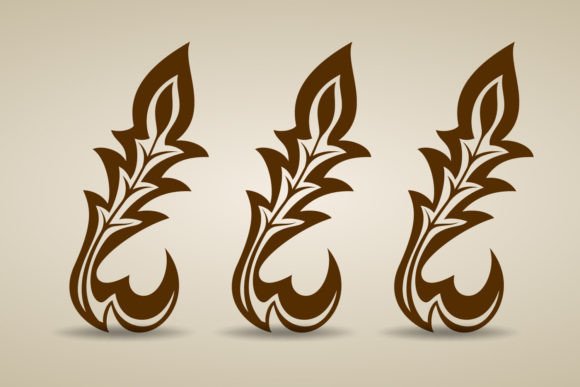
I immediately pictured one of the curved, vine-like motifs centered on a linen tea towel—stitched in matte cotton thread, slightly off-white on oat-colored fabric. It would read as handmade, not digital. That’s the real test: does Abstract Element Decoration Hand Drawn feel like something a person made—not just something a machine stitched?
Where It Shines (and Where It Asks for Extra Care)
This isn’t a “drop-in-and-embroider” design for every surface. But where it lands right, it elevates the whole finished product. Here’s how it performed across real use cases:
- Tote bags & aprons: Excellent. The open composition holds up at 4–5 inches wide without overcrowding. Works especially well as a single focal motif near a strap seam or pocket edge—adds personality without competing with function.
- Sweatshirts & hoodies: Strong on mid-weight fleece. The moderate detail level avoids excessive stitch density, so it doesn’t stiffen the fabric. Avoid placing directly over thick ribbed cuffs unless you add lightweight cutaway stabilizer underneath.
- Baby items & nursery decor: Perfect for minimalist onesies or muslin pillow covers. The soft edges and lack of fine interior lines mean no snagging risk—and parents notice that subtlety.
- Patches & caps: Use caution. Some motifs include thin connecting strokes or nested curves that may collapse on curved surfaces or under dense backing. Test one small design on a cap blank first—especially if using a low-profile hoop.
- Holiday gifts & personalized products: Highly giftable. Paired with neutral thread (heather gray, warm taupe, dusty rose), it reads thoughtful and contemporary—not trendy or dated. Ideal for Etsy sellers offering “custom embroidered holiday sets.”
Fabric & Function: What You’ll Want to Watch
Abstract Element Decoration Hand Drawn thrives on stable, medium-weight fabrics: cotton twill, linen blends, brushed poly-cotton, even medium-weave denim. But it asks for attention on:
- Thin or slippery fabrics (like rayon challis or silk noil): Add tear-away + light cutaway stabilizer. Those graceful lines can wander without support.
- Stretchy knits (t-shirts, jersey): Hoop with stabilizer *under* and *on top* (film-type). Running stitch outlines hold better than satin here—adjust your digitizing or choose simpler motifs from the set.
- Dark or heavily textured backgrounds: Test contrast early. A light-gray fill stitch may disappear on charcoal terry cloth—but switching to ecru or pale oat thread makes it sing.
- Small hoop sizes (under 4”): Skip motifs with tight internal loops or layered overlaps. Stick to the bolder, more singular elements—they scale down cleanly.
Design Integrity in the Real World
What makes Abstract Element Decoration Hand Drawn stand out among web elements isn’t just its look—it’s how it supports your credibility as a maker. Customers don’t buy “graphics.” They buy confidence, care, and cohesion. When this design appears on a custom embroidered tote bag for a local café, it reinforces brand warmth—not generic decoration. On a baby blanket, it whispers intentionality. On an Etsy listing? It signals you understand texture, scale, and emotional resonance—not just file formats.
It also quietly strengthens commercial viability. Because these are hand-drawn vectors—not rasterized PNGs—you can resize for patches, scale down for sleeve accents, or isolate parts for applique designs. That flexibility matters when you’re juggling wholesale orders, craft fair inventory, and seasonal drops.
Practical Notes Every Embroidery Designer Should Run Through
Before stitching your first Abstract Element Decoration Hand Drawn piece, do these six things:
- Test on scrap fabric *with your exact stabilizer and thread combo*—not just on paper or screen.
- Check stitch density: If fills feel heavy or cause puckering, reduce density by 5–8% in your embroidery software.
- Confirm hoop size compatibility—especially if digitizing from SVG or EPS. Some curves tighten unexpectedly when converted.
- Inspect small details at 200% zoom in your embroidery editor. Look for unintended stitch overlap or tiny isolated nodes.
- Mock it up in black and white first—then on both light and dark fabric swatches. Does the shape still read clearly?
- Review licensing: Since this is marketed for company/brand use, confirm whether resale of finished embroidered products is permitted—and whether digital redistribution (e.g., as part of a craft bundle) is allowed.
A Final Thought for Makers
If you’ve ever hesitated to use abstract graphics in embroidery—wondering if they’ll look cold, confusing, or “too digital”—Abstract Element Decoration Hand Drawn is the gentle nudge you need. It doesn’t shout. It settles in. It works with fabric instead of against it. And for small shop owners, Etsy sellers, and craft entrepreneurs building a recognizable handmade aesthetic, that kind of quiet consistency is worth more than any trend.
Use it where you want people to pause—not because it’s loud, but because it feels true.