Aperture Collection: Graphics & Web Elements
First Impressions: A Niche-Friendly, Versatile Icon Set
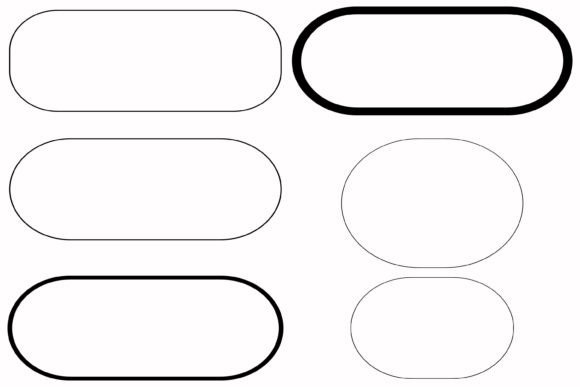
Opening Aperture Collection felt like unboxing a curated toolkit—not flashy, but quietly confident. The 246 icons carry a refined balance: clean enough for modern business designs, detailed enough for decorative use, and consistently styled across both vertical and horizontal orientations. They lean elegant and minimalist, with subtle organic curves and soft negative space—think boutique branding, mindful wellness content, or elevated stationery—not playful kawaii or bold tech vibes. This isn’t generic clipart. It’s a graphic design asset built for creators who value visual cohesion over randomness.
Real-World Testing: How I Used Aperture Collection Before Launching
I tested Aperture Collection across four live product categories before finalizing my Etsy and Creative Fabrica listings: printable wall art bundles, Canva-based invitation templates, sublimation-ready mug and tumbler designs, and a Cricut-compatible sticker pack for planners. Each test revealed practical strengths—and one or two quiet limitations worth flagging.
Where It Shines in Commercial Design
- Printable design: The 300dpi PNGs printed crisply on matte cardstock—ideal for nursery prints, affirmation cards, and minimalist quote posters. Icons scaled cleanly up to 12×12 inches without pixelation.
- SVG design: All 246 SVG files imported flawlessly into Cricut Design Space and Silhouette Studio. Cut lines were precise, with no stray anchor points. I used them for layered vinyl projects (e.g., aperture-shaped frames around photos) and intricate planner stickers.
- Sublimation design: Icons held detail well on ceramic mugs and polyester tote bags. Their balanced weight and open shapes translated smoothly—no bleeding or thin-line dropout during heat press testing.
- Canva template: I dropped icons directly into branded Canva layouts for social media graphics and email headers. Their consistent stroke weight and spacing supported strong visual hierarchy without competing with text.
- Digital download bundles: Grouped by theme (e.g., “Light & Focus”, “Frame & Capture”), they added perceived value to larger design bundles—especially when paired with coordinating digital papers and fonts.
Boosting Product Presentation—Without Extra Work
Aperture Collection improved listing performance simply by elevating consistency. Thumbnails stood out because the icons share a unified tone—no jarring style shifts between preview images. In mockups, they anchored product storytelling: an aperture icon framing a quote on a printable poster; nested inside a tumbler wrap as a subtle border element; or repeated as a seamless pattern in packaging design. That consistency builds customer trust—it signals intentionality, not assembly-line clipart. For small business branding, that quiet professionalism matters more than you’d expect.
Best Fit Use Cases
This set excels where clarity, elegance, and scalability matter: large-format printable wall art, themed Canva templates (especially for coaches, creatives, and educators), social media graphics needing visual breathing room, product mockups for premium goods, and digital paper packs with intentional negative space. It also works beautifully in seasonal bundles—think “Golden Hour” summer collections or “Soft Focus” holiday invites—where mood outweighs literal meaning.
Where to Proceed Thoughtfully
Don’t force it into contexts demanding extreme simplicity or high contrast. Tiny sticker details—under 0.5 inches—lose definition. On dark backgrounds, some icons need slight stroke adjustments to maintain legibility. Avoid pairing them with ultra-thin fonts or dense text blocks; their gentle presence gets visually drowned. And while the SVGs cut cleanly, double-check any icon with tightly nested inner shapes if using for intricate weeding on vinyl—some require minor path simplification for beginner Cricut users.
Practical Seller Notes—Test Before You List
- Preview every icon as a 100×100px Etsy thumbnail—does it read instantly? If not, prioritize the clearest 40–60 for your main listing.
- Test PNG transparency on both white and charcoal mockups. All passed—but always verify, especially with layered shadows.
- Print one full-page sheet of SVGs on your home printer. Check alignment, stroke integrity, and how crisp edges hold at actual size.
- Organize files logically: /SVG/vertical/, /SVG/horizontal/, /PNG/transparent/, /PNG/white-bg/. Customers notice—and appreciate—this.
- Pair with fonts intentionally: serif (for editorial weight), sans serif (for clean UI integration), script (for contrast), and display fonts (for hero banners). Aperture Collection supports all—without clashing.
- Confirm commercial license terms. This set includes broad commercial rights—perfect for finished products like t-shirt designs, mug designs, and digital downloads—but always re-read the license before uploading to print-on-demand platforms.
Final Verdict for Digital Product Creators
Aperture Collection isn’t a “one-size-fits-all” clipart dump. It’s a focused, high-quality graphic design asset built for creators who sell with intention. It supports brand identity rather than diluting it. For Etsy sellers building cohesive printable design shops, Canva template sellers targeting professionals, Cricut users launching sticker lines, or small business owners designing their own packaging—it delivers real utility. It won’t replace illustration work, but it reliably elevates execution. Tested across real product formats, it earned its place in my core Web Elements library—not as filler, but as functional, beautiful scaffolding for better commercial design.