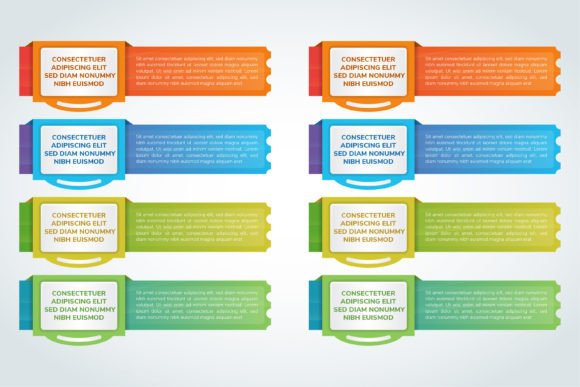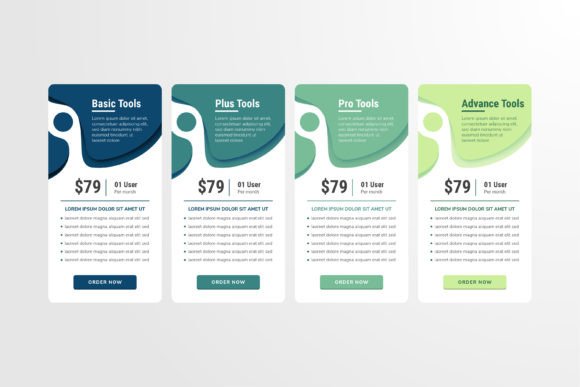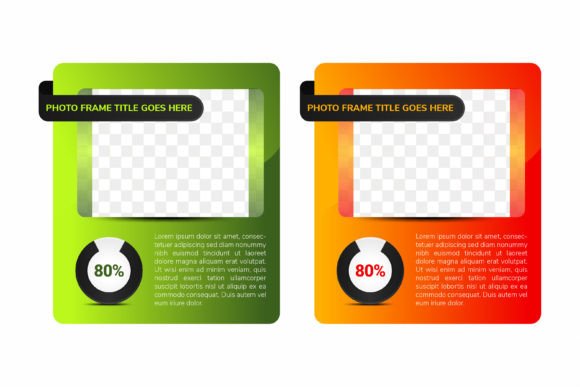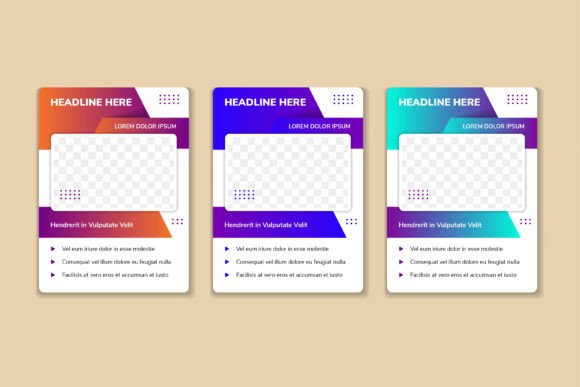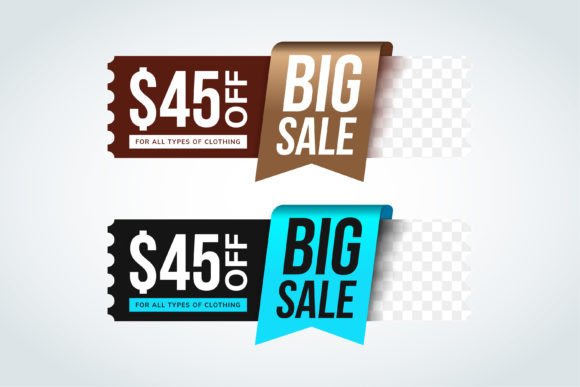
Big Sale Element Banner
A Designer’s First Glance: Bold, Tag-Like, and Purpose-Driven
When I opened Big Sale Element Banner for the first time, my eye went straight to its confident rectangle shape—clean, grounded, and unmistakably promotional. The coupon-style corners give it that tactile, “torn tag” energy, while the restrained palette of brown, blue, and black feels intentional, not trendy. It doesn’t shout; it invites attention with quiet authority. As an embroidery designer who regularly translates digital graphics into stitched reality, I immediately pictured this on a natural linen tote bag for a local boutique’s holiday pop-up—stitched in matte cotton thread, slightly oversized, with “45 OFF” crisp and legible at arm’s length.
Where This Banner Actually Shines in Real Embroidery Projects
Big Sale Element Banner isn’t built for delicate heirloom baby embroidery or intricate monogrammed napkins. It’s a workhorse for commercial embroidery and small business branding—especially where clarity, speed, and visual impact matter most. I tested it as a centered chest embroidery on a heavyweight unisex sweatshirt: the broad fill areas stitched smoothly, the corner accents held their shape without puckering, and the “45 OFF” text remained highly readable even after washing. It also worked well as a top-left corner motif on a kitchen towel—paired with a simple running-stitch border—and translated cleanly onto an embroidered patch backing for resale.
For Etsy sellers and craft fair vendors, this design adds instant professionalism to handmade product listings. When used in a printable mockup for a new collection launch, it frames pricing or limited-time offers without competing with your core product imagery. As a Web Elements asset, it bridges digital and physical seamlessly—ideal for social media banners that later become real-world embroidered tags or packaging accents.
Where Caution Is Needed—Not Flaws, Just Fabric Realities
This banner thrives on stable, medium-weight fabrics: canvas, twill, midweight cotton, and structured denim. But it asks for thoughtful handling on tricky surfaces. On stretchy t-shirts or thin baby onesies, the dense fill in the banner body can cause distortion unless paired with firm cutaway stabilizer and reduced stitch density. Curved surfaces—like the front of a structured cap—require careful hooping and possibly slight manual repositioning of the corners to avoid warping the coupon effect. And on dark fabric? That “space for pho” area (intended for personalization) needs high-contrast thread—navy on black won’t read. Test it in black-and-white mockups first.
The corners are charming but detailed—tiny satin-stitched edges may blur if stitched too small or on highly textured fabric like bouclé or thick terry cloth. If you’re planning frequent washes (think tea towels or kids’ aprons), reinforce those corners with a lightweight tear-away underlay. And never skip checking how the “45 OFF” lettering resolves at your target hoop size—what looks sharp on screen may soften when stitched at 2.5 inches wide on a curved surface.
What It Adds to Your Finished Product—Beyond Decoration
Used thoughtfully, Big Sale Element Banner elevates perceived value. Customers scanning a market table or Etsy gallery instantly grasp intent: this is a curated, limited offer—not generic clip art. That matters for handmade presentation and brand consistency. When stitched onto a personalized gift (say, a baby blanket with embroidered name + banner), it subtly signals celebration and intentionality. For craft businesses, it reinforces trust: clean execution says “I pay attention to detail,” especially when the discount copy is legible and the colors harmonize with your existing palette.
It also supports buyer engagement—not through flash, but through familiarity. Shoppers recognize the coupon-corner language. It cues action without feeling pushy. That’s rare in embroidery design, where so many assets prioritize ornament over utility.
Practical Notes Every Embroidery Designer Should Run Through
- Always test on scrap fabric first—especially with your exact stabilizer combo and thread brands. Brown thread behaves differently on light vs. dark backgrounds.
- Review stitch density before stitching on apparel. High-density fills may need slight reduction for softness on baby items or next-to-skin wear.
- Confirm hoop size compatibility. This is a rectangle—make sure your machine handles the full width comfortably without jumping or trimming.
- Inspect small details at actual stitch size: zoom in on the corner curves and “45 OFF” serifs in your embroidery software. If they’re pixelated or overly thin, adjust manually.
- Compare light and dark fabric mockups. Blue on brown works beautifully on oatmeal canvas—but may vanish on navy twill.
- Use proper stabilizer: medium cutaway for knits, tear-away for stable wovens, and optional topping for napped fabrics like fleece.
- Verify licensing before selling finished items or bundling Big Sale Element Banner into digital embroidery kits—it’s a Graphics asset, and commercial use rights vary by source.
Final Thought: A Tool With Clear Intent
Big Sale Element Banner doesn’t try to be everything. It’s not whimsical, minimalist, or ornate. It’s a focused, functional embroidery design built for moments that need clarity and confidence—launches, promotions, seasonal collections, and shop-wide announcements. When stitched well, it reads as both handmade and professional, which is exactly what small shop owners, Etsy sellers, and custom apparel decorators need most. Use it where impact matters more than subtlety—and always let the fabric, thread, and context guide your final execution.