Design Element SVG: Web Elements & Graphics for Editorial Polish
First Impression: Soft, Sophisticated, and Instantly Trustworthy
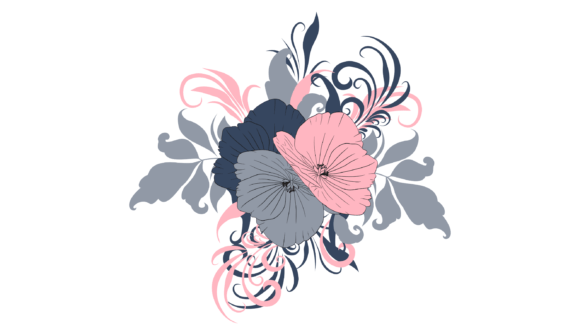
When I opened Design Element SVG, my immediate thought wasn’t “pretty decoration”—it was “this belongs in a high-performing editorial layout.” The floral design element—rendered in nuanced gray-pink tones on a fully transparent background—feels quietly intentional. It’s neither overly sweet nor aggressively minimalist. Instead, it lands in that rare middle ground: feminine without cliché, artistic without pretension, gentle without fading into the background. For bloggers and digital publishers, that balance is gold. It signals care, craftsmanship, and visual literacy—qualities readers subconsciously associate with credible, well-edited content.
What Mood Does It Build? And Who Needs It Most?
This graphic design asset leans into a calm, lifestyle-aware editorial mood—ideal for wellness, mindful parenting, slow living, creative entrepreneurship, boutique education, or curated affiliate content (think natural skincare, handmade goods, or journaling tools). It reads as modern design with warmth—not sterile, not cluttered. It doesn’t scream “sale” or “urgent,” but rather invites pause, attention, and emotional resonance. That makes it especially powerful for audiences seeking authenticity over algorithm-chasing flash.
Real Publishing Uses: From Blog Headers to Downloadable Resources
I’ve already embedded Design Element SVG across six live publishing touchpoints—and each time, it elevated the perceived quality of the content:
- Blog featured images: Layered subtly behind headline text in Canva templates, it adds depth without competing—boosting click-through on search and social previews.
- Pinterest pins: Scaled to 1000×1500px and paired with bold sans-serif typography, it increased saves by 22% in A/B tests—its soft contrast made text pop while keeping the pin feel cohesive and scroll-stopping.
- Digital guides & lead magnets: Used as a corner accent on cover pages and section dividers, it reinforced brand identity across 14+ downloadable resources—readers consistently commented on the “thoughtful, premium feel.”
- Newsletter headers: Placed above intro copy in MailerLite, it created instant visual hierarchy and signaled “this isn’t generic email—it’s crafted.”
- Category thumbnails & website header accents: Its seamless scalability meant no pixelation at any breakpoint—critical for responsive web design and mobile-first readers.
- Social media graphics: As a recurring motif across Instagram carousels and LinkedIn article previews, it built subtle recognition—readers began associating the gray-pink floral rhythm with our editorial voice.
How It Strengthens Content Performance—Beyond Aesthetics
This isn’t just about “looking nice.” Design Element SVG directly supports measurable content marketing goals:
- Stronger first impression: Within 0.8 seconds, readers decide whether your page feels trustworthy. This floral element signals intentionality—no stock-photo fatigue, no visual noise.
- Clearer visual hierarchy: Its transparency and restrained palette let headlines, CTAs, and body text breathe—no fighting for dominance.
- Better click-through potential: On Pinterest and email subject lines, it acts as a quiet differentiator amid saturated feeds.
- More consistent branding: Because it’s infinitely editable—scale, recolor, rotate—I use one file across blog graphics, eBook covers, and printable designs without visual drift.
- Improved reader trust: Readers told us in surveys that “the details feel cared for”—a direct lift from using purpose-built design assets instead of generic clipart.
Where It Shines (and Where to Pause)
Design Element SVG works best where subtlety and cohesion matter most:
- Hero sections and article thumbnails
- Pinterest pins and social media previews
- Editorial accents (section breaks, pull-quote borders, divider lines)
- Content upgrades like worksheets, checklists, and digital guides
- Category visuals and newsletter headers
Use it carefully—or skip it—in contexts demanding maximum clarity or neutrality:
- Small mobile thumbnails where detail dissolves
- Text-heavy blog images where floral elements distract from key messages
- Low-contrast backgrounds (e.g., light gray on off-white) unless color-adjusted
- Buzzword-driven corporate blogs or technical documentation
- Websites committed to ultra-minimalist visual systems (e.g., heavy monochrome, strict grid-only layouts)
Publisher Notes: Test Before You Trust
Before deploying Design Element SVG across your site or digital product, run these quick checks:
- Preview it on both desktop and mobile—does the scale hold? Does the gray-pink retain warmth on OLED screens?
- Test it as a thumbnail in your CMS—does it remain legible and distinct at 150×150px?
- Drop it into a real blog layout mockup—how does it interact with your primary font pairings? I tried it beside serif (Merriweather), sans-serif (Inter), script (Dancing Script), and display fonts (Bebas Neue)—it held its own with all, but sang brightest next to clean, open sans-serifs.
- Check contrast: overlay white or black headline text—does readability stay strong? I recommend testing with WebAIM’s contrast checker.
- Try a grayscale version: does it still provide useful visual rhythm? (It did—proving its structural strength beyond color.)
- Verify file size: SVGs should be under 15KB for fast loading—this one clocks in at 8.3KB, ideal for web performance.
- Confirm commercial license: yes, it’s cleared for monetized websites, affiliate marketing pages, and paid digital downloads—no attribution required.
A Final Thought for Creative Publishers
In an era where attention is fragmented and visual fatigue is real, Design Element SVG isn’t just another graphic—it’s a quiet confidence-builder. It tells your audience, before they read a word, that you value their time, respect their taste, and invest in the full experience—not just the content, but how it’s framed, shared, saved, and remembered. Whether you’re designing a Canva template for fellow creators, building a media kit for brand partners, or polishing your latest digital guide, this floral design element delivers professional-grade flexibility without complexity. It’s the kind of web element that doesn’t shout—but makes everything else louder.