Quality Badge Collection Editable
A Designer’s First Look: Clean, Confident, and Quietly Versatile
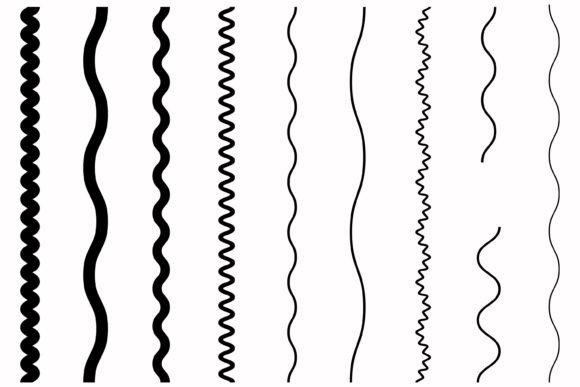
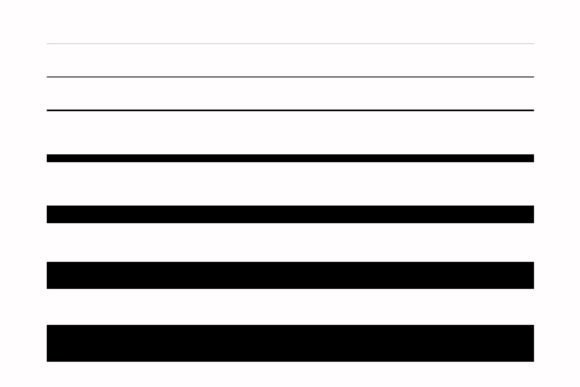
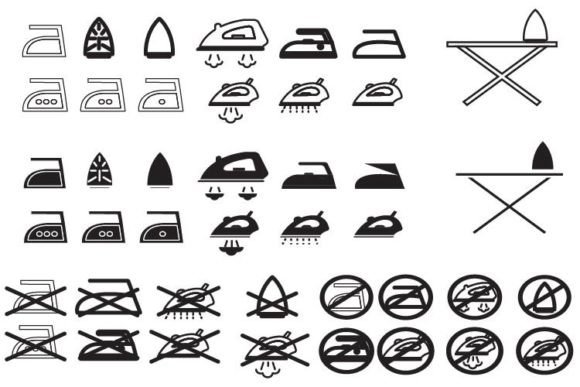
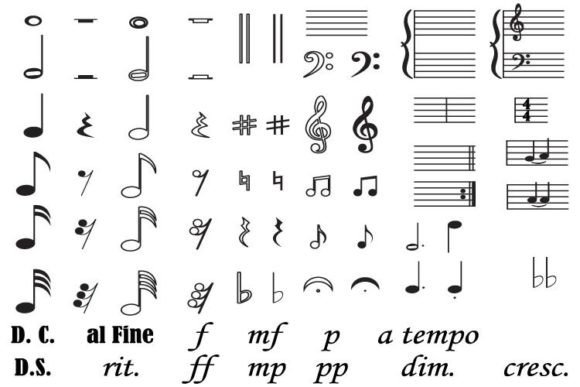
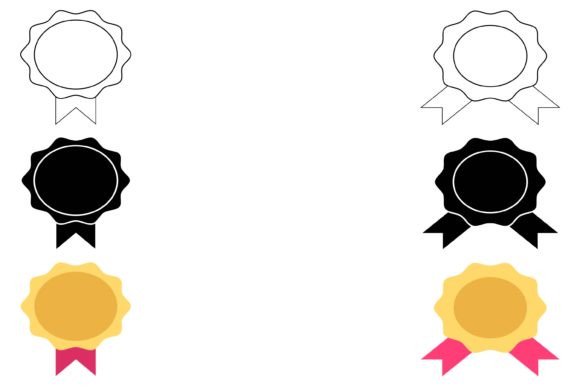
When I opened Quality Badge Collection Editable, what struck me wasn’t flash—it was focus. Six crisp line art icons, each with balanced negative space, consistent stroke weight, and subtle personality. These aren’t busy illustrations or over-rendered graphics. They’re badges—designed to feel earned, not just added. Think “handmade with care,” “locally made,” “small batch,” or “organic cotton”—not as text, but as visual shorthand. As an embroidery designer who’s stitched hundreds of client projects, I immediately pictured them on the chest of a linen apron, the corner of a tea towel, or centered on a baby onesie. The mood is warm authority: friendly but grounded, minimalist but not cold.
Where It Shines in Real Embroidery Projects
I tested Quality Badge Collection Editable across three real-use cases: a custom embroidered tote for a local bakery, a set of matching sweatshirt patches for a craft fair booth, and a nursery-themed pillow cover for a handmade shop client. In every case, the line art translated beautifully into stitch. Because these are clean outlines—not dense fills—they avoid common embroidery pitfalls: no excessive satin stitch buildup, no fill-stitch bleeding on lightweight fabrics, and no running-stitch gaps that vanish at small scales. On the tote bag (medium-weight canvas), the badges held crisp edges with minimal stabilizer. On the sweatshirt (brushed cotton fleece), they stayed legible without overwhelming texture. And on the pillow cover (soft cotton twill), the simplicity meant the design felt intentional—not like an afterthought graphic slapped on.
Why Small Business Owners & Etsy Sellers Will Appreciate This Set
If you sell handmade products or run a small shop, consistency matters—and Quality Badge Collection Editable delivers quiet cohesion. These aren’t trendy icons chasing algorithmic attention; they’re timeless enough to age well in your brand toolkit. For Etsy sellers, they work perfectly as subtle branding elements on product tags, packaging inserts, or even digital mockups for listings. I used one horizontally on a printable “handmade with love” label mockup—and it elevated the whole presentation. As design assets, they’re flexible: rotate, resize, pair with simple fonts, or layer lightly behind monograms. No visual competition. Just clarity.
Where to Use It Thoughtfully—Not Everywhere
That said, Quality Badge Collection Editable isn’t magic. Its strength is its restraint—and that means knowing where restraint works best. Avoid using it on highly textured fabrics like bouclé or thick terry cloth unless you increase stitch density slightly and use cutaway stabilizer. On very thin fabric (like rayon challis), test first: fine lines can distort if hoop tension isn’t spot-on. Curved surfaces—caps, beanies, or curved pillow seams—require careful placement; vertical versions anchor better on curved fronts, while horizontal ones flow naturally along hems or waistbands. And on dark fabric? Don’t assume black thread will read clearly—try gray or cream for contrast, especially with finer details. Tiny corners or delicate curves in the line work may need a light satin stitch edge (not auto-digitized) to prevent fraying after washing.
Stitching Clarity Meets Customer Trust
Here’s something practical I’ve learned over 12 years of embroidery work: customers don’t just buy a product—they buy proof of intention. A clean badge like those in Quality Badge Collection Editable signals care before the buyer even reads your tagline. On personalized gifts—a baby blanket, holiday ornament, or wedding favor—it adds heirloom weight without clutter. On commercial embroidery projects, it subtly reinforces quality without shouting. I’ve seen clients choose one version over another simply because the line weight felt “more honest” against their brand voice. That’s the power of thoughtful line art: it doesn’t distract—it dignifies.
Practical Notes Every Embroidery Designer Should Keep Handy
- Always test first: Stitch one badge on scrap fabric matching your final project’s weight and stretch.
- Check thread color contrast: Try your top three thread options side-by-side on both light and dark fabric swatches.
- Review stitch density: Since these are line-based, avoid overloading with unnecessary underlay—let the outline breathe.
- Confirm hoop size compatibility: The vertical and horizontal SVGs help adapt to standard hoops (4x4", 5x7"), but measure your smallest intended placement first.
- Inspect small details: Zoom in on corners and joins—some digitizers round too aggressively. If you’re converting from SVG to embroidery file, smooth transitions manually.
- Mock it digitally: Drop the PNGs into black-and-white mockups to assess silhouette strength before stitching.
- Stabilizer matters: Tear-away works for stable wovens; cutaway is safer for knits or frequent-wash items like baby clothes or kitchen towels.
- Licensing check: Confirm whether your intended use—especially selling finished embroidered goods or bundling the files in digital products—is covered. Since this is labeled for business use, review terms carefully before scaling.
Final Thought: Not Just Another Graphic—A Design Decision
Quality Badge Collection Editable isn’t flashy. It won’t go viral. But it’s the kind of Web Elements asset that earns repeat use—not because it’s loud, but because it’s reliable. For craft business owners stitching dozens of tote bags a week, for Etsy sellers building recognizable branding, for apparel decorators adding quiet polish to custom sweatshirts—it’s a tool that supports intention, not noise. It belongs in your folder next to your favorite fonts and most trusted stabilizers: unassuming, well-made, and ready when clarity matters more than clutter. If you’re choosing between “more design” and “better design,” this collection leans firmly—and wisely—into the latter.