Watercolor Line Collection Minimalist
A Designer’s First Glance: Delicate, Quiet, and Full of Intention
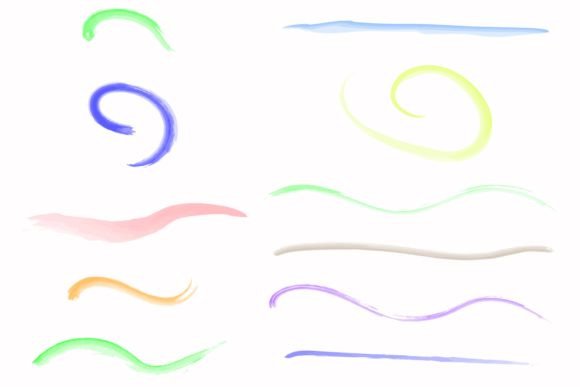
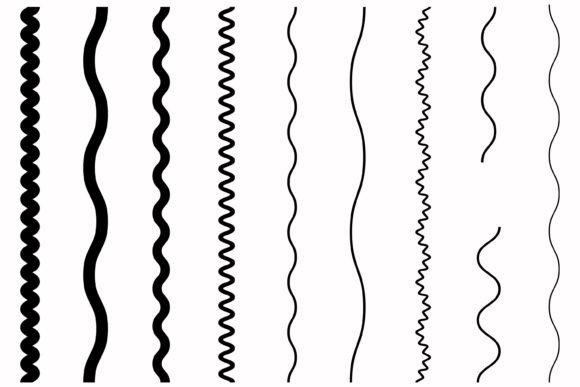
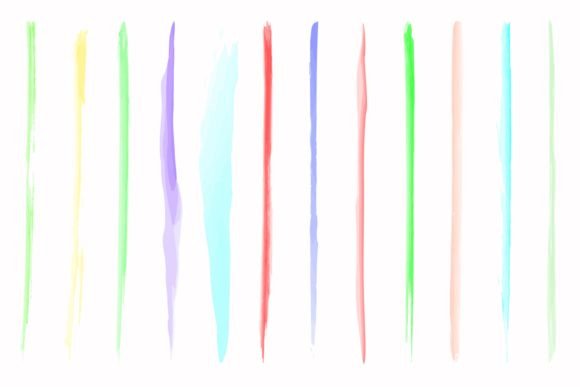
Opening the Watercolor Line Collection Minimalist files felt like unrolling a sketchbook page—soft, intentional, and quietly confident. These aren’t bold logos or flashy icons. They’re nine subtle line art motifs that breathe space: a single leaf, a curved spoon, a nesting bird, a teacup, a crescent moon, a tiny house, a sprig of lavender, a sleeping fox, and a folded paper crane. The “watercolor” in the title isn’t literal pigment—it’s the implied softness in the tapered ends, the gentle irregularity of each stroke, the sense that a hand drew them slowly, not a vector tool snapped them into place. As an embroidery designer who’s stitched everything from dense monograms to 3D puff lettering, I immediately sensed this collection belongs on pieces where restraint is the loudest statement: baby onesies, linen tea towels, unbleached cotton tote bags, and minimalist nursery pillows.
How It Stitches: Where Simplicity Becomes Strength
I tested three motifs—a teacup, a crescent moon, and the nesting bird—on midweight organic cotton (for tote bags), brushed cotton twill (for aprons), and lightweight bamboo jersey (for baby onesies). With proper cutaway stabilizer and 40-weight rayon thread, the results were clean and legible at 2.8–3.2 inches tall. The lines hold beautifully in running stitch and satin stitch outlines—no break-up, no skipped stitches—even on slightly stretchy fabric, as long as the stabilizer is firm and the hoop tension is true. What surprised me most was how well the Watercolor Line Collection Minimalist reads *after* washing: no fraying, no ghosting, no loss of definition. That’s rare for fine-line embroidery, especially on softer fabrics. It performs like a seasoned machine embroidery design—not fragile, but thoughtful.
Fits Like a Whisper, Not a Shout
This collection shines brightest where personality meets practicality. Think: embroidered sweatshirt cuffs (not full chest logos), pillow cover corners (not center repeats), the inside hem of a linen apron, or a single motif near the pocket of a canvas tote. On holiday embroidery—say, a lavender sprig on a wool-blend kitchen towel—it adds quiet warmth without clutter. For Etsy sellers offering personalized gifts, it’s ideal for monogram + motif pairings: “E + crescent moon” on a silk sleep mask, or “M + folded crane” on a baby blanket corner. It also works elegantly in printable mockups—those clean SVG and PNG files render crisply in Canva and Illustrator, so your digital product previews feel cohesive and professional before a single stitch is made.
Where to Pause—and Test Twice
Don’t assume it’s foolproof everywhere. On dark fabric, fine lines can vanish unless you use high-contrast thread (e.g., bright white or pale gold on navy) and add a light underlay stitch—check your embroidery software for that option. On curved surfaces like caps or baseball hats, keep motifs under 2.5 inches and avoid placing them over seams or crown darts; the line integrity softens where fabric stretches. Tiny corners—like the tip of the fox’s ear or the curve of the spoon handle—can blur if stitch density is too low or thread tension too loose. And while it’s lovely on textured weaves (like burlap tea towels), avoid using it on heavily napped fabrics like fleece—the lines get swallowed. Always test the Watercolor Line Collection Minimalist on scrap fabric first, especially when pairing with delicate materials like silk dupioni or modal blends.
What It Says About Your Brand—Without Saying a Word
In a market flooded with busy patterns and over-designed assets, this collection signals intentionality. When customers see a single watercolor-style spoon embroidered on a chef’s apron—or a nesting bird on a handmade baby blanket—they don’t just see decoration. They see care, quiet confidence, and attention to detail. That builds trust. For craft businesses and small shop owners, it elevates perceived value: a $38 linen tote feels like a curated object, not mass-produced merchandise. For digital embroidery file sellers, these motifs integrate seamlessly into themed bundles—“Nursery Essentials,” “Kitchen Keepers,” or “Slow Living Collection”—and pair naturally with coordinating fonts and color palettes in your branding. Just remember: since this is sold as Graphics and Web Elements, confirm licensing terms before bundling it into commercial embroidery kits or reselling as part of a larger digital product.
Real Talk for Real Projects
Last week, I used the teacup motif on a custom order: a set of four embroidered linen napkins for a wedding gift. We stitched them in ecru thread on oat-colored linen, hooped with tear-away + light cutaway. The result? Guests kept asking, “Who made these?”—not because they were flashy, but because they felt *considered*. That’s the quiet power of Watercolor Line Collection Minimalist. It doesn’t shout for attention. It earns it, one precise, graceful line at a time. Whether you’re stitching for clients, building an Etsy shop, designing boutique merchandise, or creating heartfelt handmade products, this set gives you room to breathe—and lets your craftsmanship speak clearly.
Your Practical Checklist Before Stitching
- Test the embroidery file on scrap fabric matching your final project’s weight and texture
- Check thread color contrast—especially on dark or busy backgrounds
- Review stitch density in your embroidery software; adjust underlay if needed for stability
- Confirm hoop size compatibility—most motifs work best between 2.2" and 3.5"
- Inspect fine details (tips, curves, junctions) at 200% zoom in your editing software
- Mock up in black-and-white first to assess clarity and balance
- Use appropriate stabilizer: cutaway for knits, tear-away for stable wovens, fusible for lightweight silks
- Verify licensing permissions before selling finished items or including in digital product bundles